9+ curated guides • Updated September 2025
Most people pack fleece and binoculars for Alaska, expecting to brave the elements for a glimpse of the wild. But what happens when you experience a calving glacier with a craft cocktail in hand, from a solarium designed to feel like part of the landscape? We explore how a Celebrity cruise isn't about escaping into luxury from Alaska, but using it as a surprising new lens through which to see it. Let’s be honest: the phrase “luxury cruise” and “untamed wilderness” sit together uneasily. My own preconceptions painted a picture of a floating resort city, its glitz and glamour a garish distraction from the subtle grandeur of the Inside Passage. I envisioned a hermetically sealed environment that held nature at arm's length, viewable only through the sanitized frame of a private balcony. I was wrong. The revelation isn't that the ship is comfortable—that's a given. It's that the design philosophy itself, a deliberate and sophisticated architectural choice, acts as a conduit, not a barrier, to the wild.
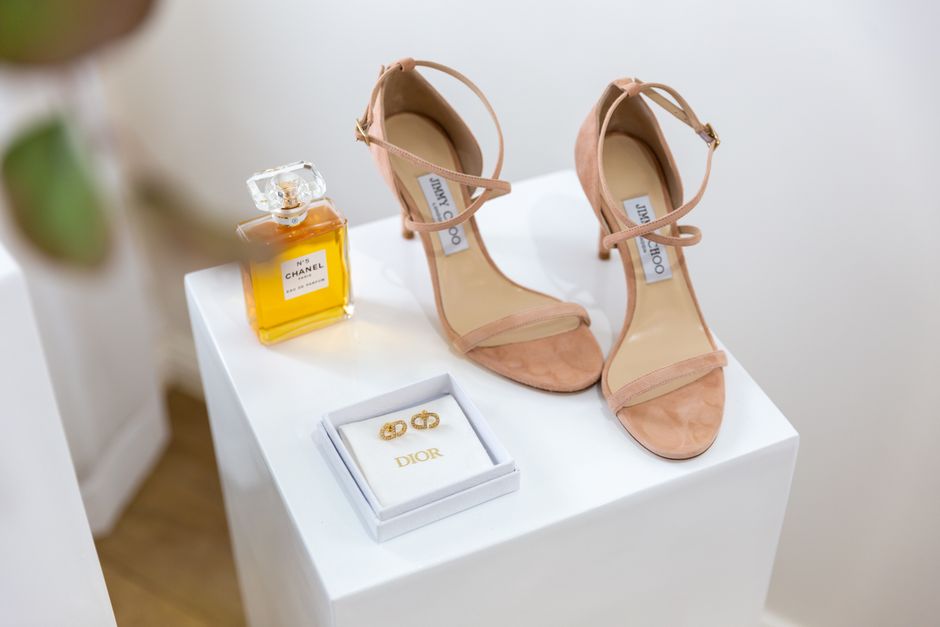
You've seen the design everywhere: a delicate stud in the front, with a larger, more dramatic element peeking out from behind the lobe. This 'ear jacket' style has become so common it feels anonymous, a trend without an origin. But it wasn't a trend that evolved organically; it was an earthquake caused by a single, iconic design that permanently changed the silhouette of the modern earring. This article deconstructs the Dior Tribales earring not as a fleeting fashion statement, but as a pivotal piece of industrial design. We will argue that its two-part construction was less an accessory and more of an invention—a new architectural blueprint for ear adornment. Its legacy isn't just in the countless imitations it spawned, but in the way it fundamentally altered our perception of what an earring could be, proving that the most profound revolutions often hide in plain sight.
Forget the over-filled lips and frozen foreheads that dominate the headlines. The true genius of Hollywood's top cosmetic surgeons lies not in what you see, but in what you don't. We're pulling back the curtain on the undetectable art of the A-list 'tweakment,' celebrating the subtle work that perfects a famous face without a trace. This isn't about erasing a decade or manufacturing a new jawline; it's about the millimeter-precise adjustments that make a face appear better-rested, more harmonious, and effortlessly radiant under the unforgiving glare of a 4K camera. It’s the whisper of enhancement, a silent conversation between a skilled practitioner and a discerning client, where the ultimate goal is for the world to notice their beauty, not their work.
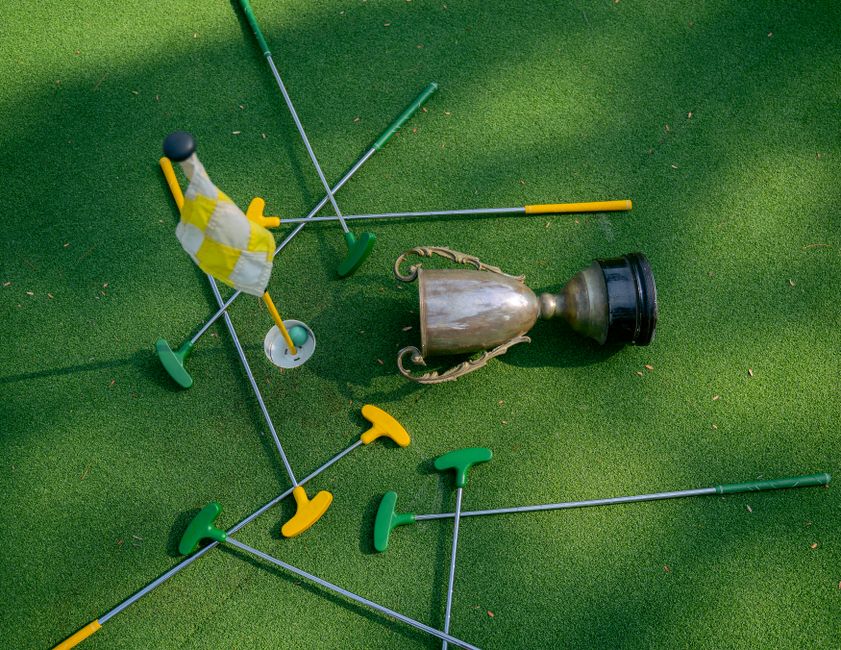
We meticulously track their box office numbers and streaming stats, but the truest measure of a celebrity's influence might be a single-digit number whispered on the fairways of exclusive country clubs. A low golf score isn't just about bragging rights; it's a key that unlocks rooms where real power is brokered, proving that the most important game isn't always played on screen. In this analysis, we peel back the curtain on Hollywood's most guarded status symbol, revealing how the ability to hit a draw on command translates directly into financial leverage and access to the highest echelons of global influence. Forget the Walk of Fame; the real map to power is the scorecard at Augusta.
Forget the red carpet glamour and the airbrushed magazine covers. The most honest, revealing, and arguably powerful photograph of a celebrity isn't taken by a world-famous photographer—it's taken under the harsh, fluorescent lights of a police station. This is the accidental portrait: an image captured without consent, styling, or agenda, that strips away the meticulously constructed facade of fame. In this sterile, bureaucratic moment, the celebrity ceases to be an icon and becomes irrevocably human. We, as cultural critics and photo analysts, must look beyond the tabloid headlines to understand the mugshot for what it truly is: the ultimate unwilling collaborator in the creation of a raw, unfiltered, and deeply significant work of portraiture.
Remember 2022? It wasn't just a year of re-openings; it was a year of sartorial screaming. The chunky platforms, vibrant micro-bags, and pearl chokers weren't just trends—they were our collective exhale, a visual language for a world desperate to feel something again. To dismiss the explosion of Kelly green, Barbiecore pink, and statement pearls as mere cyclical fashion is to fundamentally misunderstand the moment. These accessories were not whispers; they were declarations. They were cultural artifacts produced in the crucible of a global crisis, each one a clue to our shared psychological state as we blinked in the harsh sunlight of a 'new normal'. In this analysis, we move beyond the trend report to decode what these choices truly signified about our collective desires for joy, security, and unapologetic presence.
In an era where our hands are perpetually glued to screens, endlessly scrolling and tapping, a classic accessory has returned with a quiet statement. The long sleeve glove, once a symbol of formal elegance, is re-emerging as the ultimate anti-tech accessory. This isn't just about looking chic; it's about choosing to be elegantly unavailable. It's a sartorial declaration that your attention is a precious commodity, not to be given away to the nearest glowing rectangle. By sheathing the very instruments of our digital addiction—our hands—we are performing a subtle but powerful act of reclaiming our presence in the physical world.
Every year, a new batch of famous faces walks into the Celebrity Big Brother house, hoping for a career renaissance and a hefty paycheck. But what happens when the cameras stop rolling and the public moves on? We looked past the diary room confessions and explosive arguments to uncover the show's real, unspoken legacy: a trail of both revitalized careers and spectacular flameouts. Let's be clear: Celebrity Big Brother isn't a television show. It's a career casino. It’s a glass box where carefully constructed public personas are stress-tested to destruction under the 24/7 glare of public scrutiny. The producers don't cast for harmony; they cast for fault lines. They assemble a volatile cocktail of egos, has-beens, and wannabes, shake vigorously, and wait for the inevitable explosion. For the viewer, it's fleeting drama. For the participant, it's a permanent, un-editable addition to their professional résumé that can either unlock new doors or weld old ones shut forever.
Scroll through any 'get ready with me' video or fashion haul on TikTok, and you'll see it: a flash of gold, a custom script, the unmistakable DBL nameplate necklace. But this isn't just another accessory trend that will fade by next season; it’s a key piece of a new digital uniform, a modern-day monogram that signals much more than just your name. It functions as a membership card to an online aesthetic, a subtle nod to being in-the-know. Before we dive into the cultural mechanics of this phenomenon, understand this: the DBL necklace isn't just being worn; it's being performed, broadcasted, and leveraged as a core component of a highly curated digital identity.